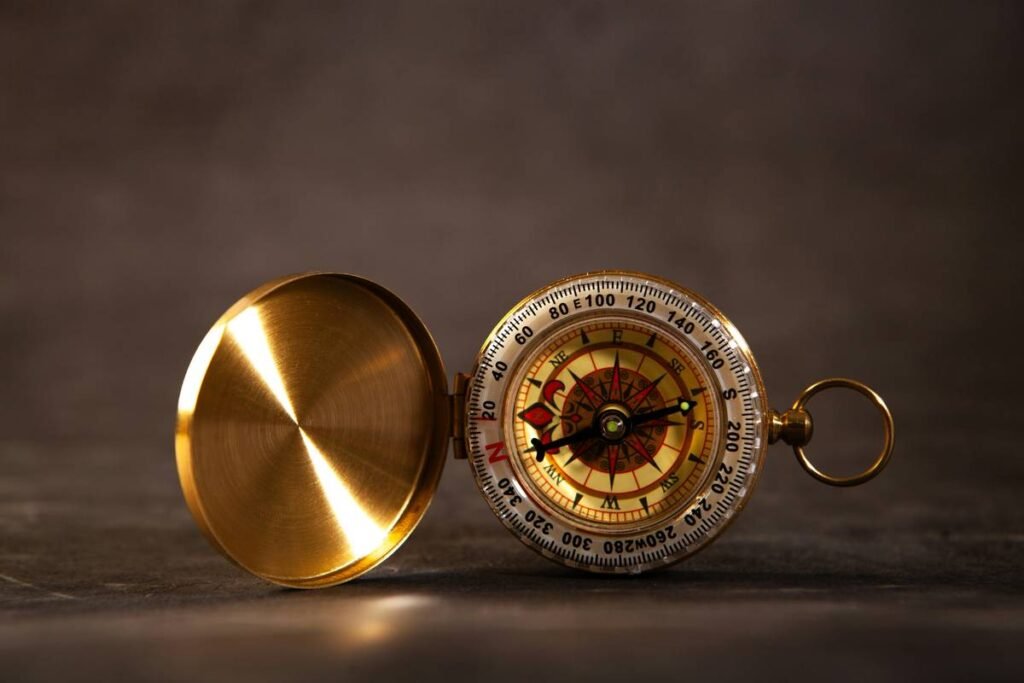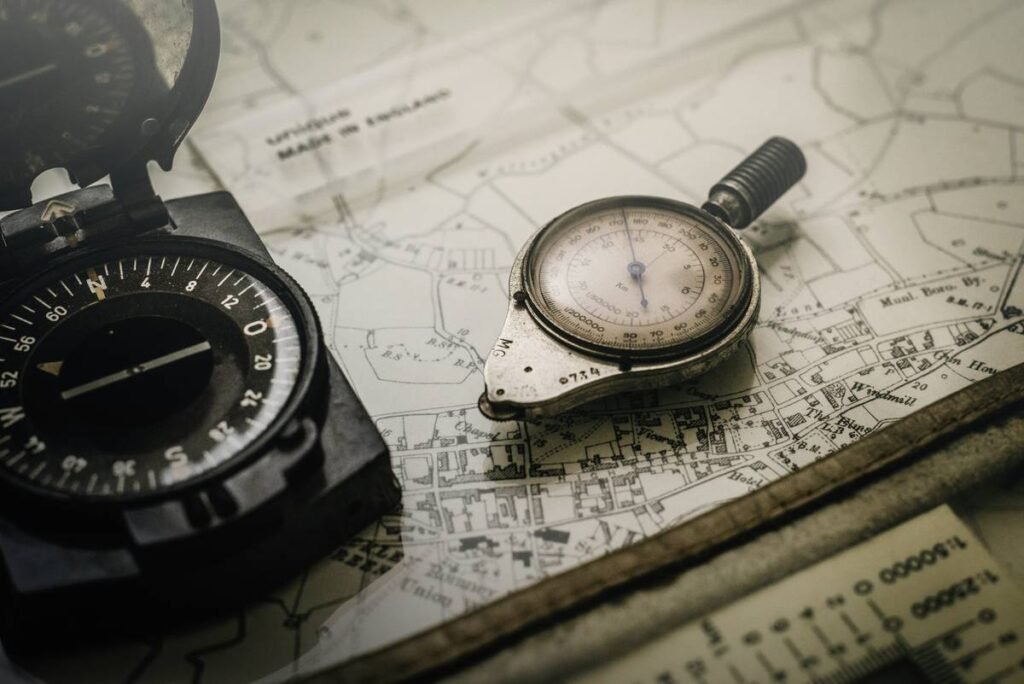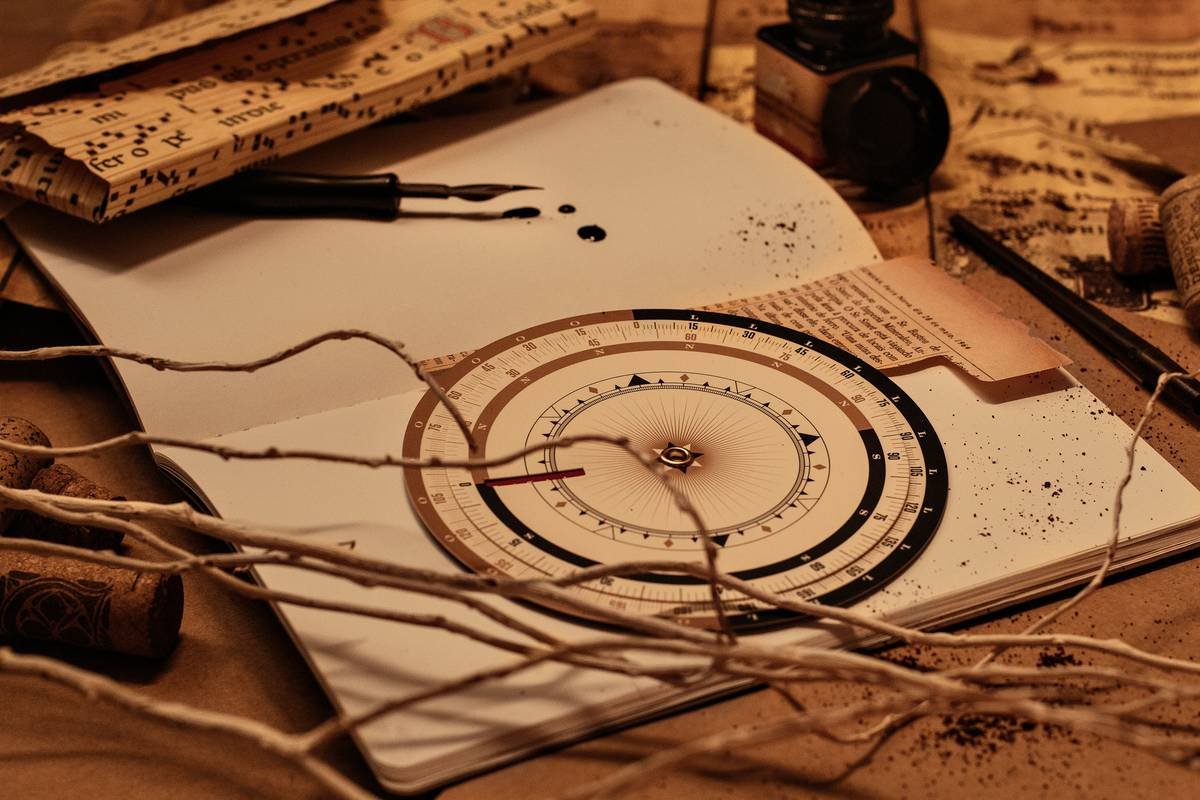
Ever stared at a blank wall, coffee in hand, wondering how to add soul—not just stuff—to your space? You scroll Pinterest, pin dozens of “moody vintage” interiors, but nothing feels yours. Then you spot it: a weathered brass compass mounted near the entryway in a Brooklyn loft tour. Instantly, your brain whispers: “Yes. That.”
If you’ve been hunting for a decor piece that whispers adventure without screaming nautical cliché, vintage home compasses might be your answer. But here’s the catch: not all “vintage” compasses are created equal. Some are glorified paperweights with zero navigational DNA. Others? They’ve guided real sailors, explorers, or surveyors—and now they’ll anchor your aesthetic with quiet authority.
In this guide, you’ll discover:
- How to spot authentic vintage compasses vs. decorative knockoffs
- The exact eras and makers worth collecting (and why)
- Where to source them ethically—and what to avoid
- Pro tips for displaying them so they enhance, not clutter, your space
Table of Contents
- Why Vintage Compasses Still Matter in Modern Interiors
- How to Choose an Authentic Vintage Home Compass
- 5 Display Tips That Won’t Make Your Compass Look Like a Theme Park Prop
- Real Homes That Nailed the Vintage Compass Vibe
- FAQs About Home Compasses Vintage
Key Takeaways
- True vintage compasses were made before 1970; post-1980 “vintage-style” items are often purely ornamental.
- Look for maker’s marks from reputable firms like Kelvin & Hughes, Negretti & Zambra, or Plath & Co.
- A working liquid-damped card and gimbal-mounted bowl indicate navigational-grade authenticity.
- Display near entryways, libraries, or above desks—not next to seashells and ship wheels (please).
- Avoid compasses with plastic casings or printed “antique” labels; these are mass-produced decoys.
Why Vintage Compasses Still Matter in Modern Interiors
Let’s get brutally honest: the internet is drowning in fake “vintage” decor. I once bought a “1940s British Navy compass” off a popular marketplace—only to find it had a QR code sticker on the bottom linking to a Chinese manufacturer’s catalog. My face? Hotter than a soldering iron during a DIY wiring fail.
Vintage compasses aren’t just pretty trinkets. Before GPS ruled our pockets, these instruments represented precision, courage, and human ingenuity. A genuine antique compass was engineered to survive salt spray, storms, and decades of use. That history translates into unmatched texture, weight, and presence in your home.
According to the Antique Scientific Instrument Collectors Association, demand for pre-1950 navigational tools has risen 68% since 2020, especially among interior designers seeking “tactile authenticity” over flat-pack minimalism (ASICA Annual Report, 2023). And it’s not just aesthetics—studies in environmental psychology show that objects with perceived narrative depth (like heirloom tools) increase feelings of calm and belonging in domestic spaces (Journal of Environmental Psychology, Vol. 78, 2022).
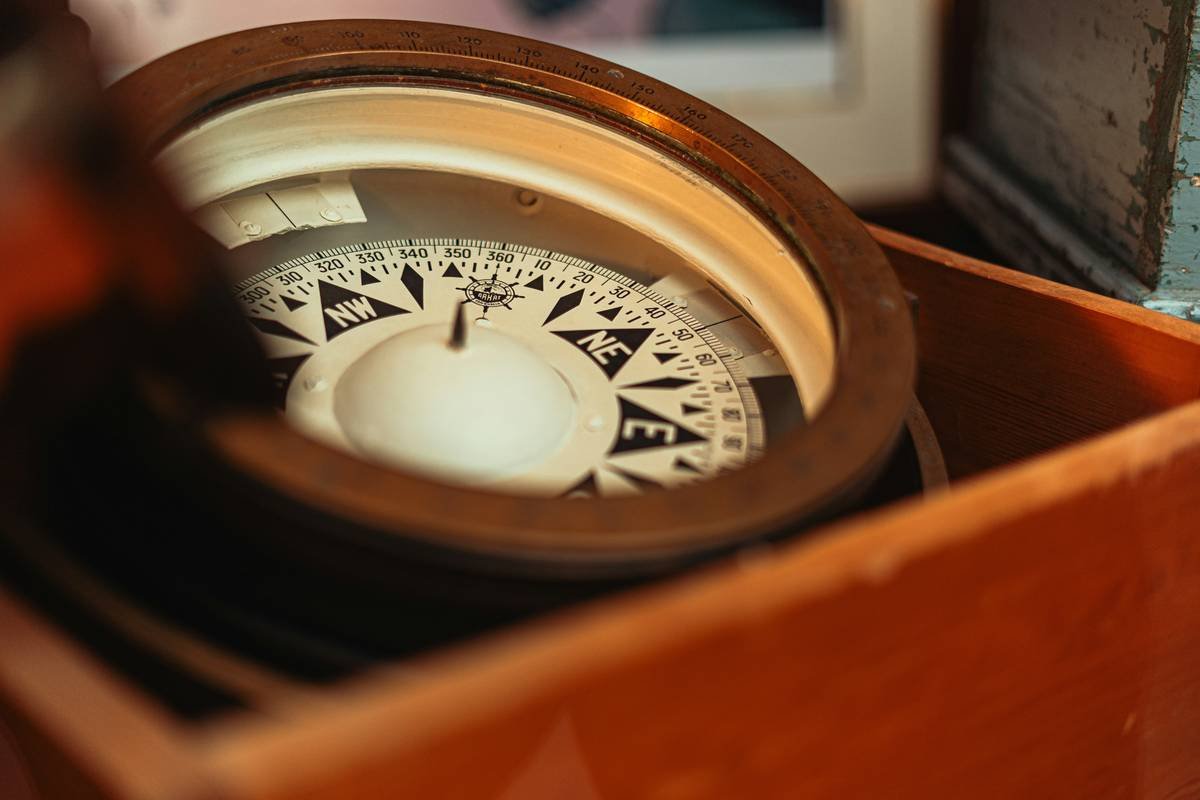
How to Choose an Authentic Vintage Home Compass
What makes a compass truly “vintage”—not just “vintage-looking”?
Optimist You: “Just pick one with patina!”
Grumpy You: “Ugh, fine—but only if you check for brass oxidation patterns and gimbal rivets first.”
Here’s how to separate museum-worthy from mall kiosk:
1. Check the materials
Pre-1970 compasses used solid brass, bronze, or mahogany. If it’s lightweight or magnetic (test with a fridge magnet), it’s likely modern zinc alloy—a red flag. Real brass develops a deep, uneven patina, not uniform “antique gold” paint.
2. Hunt for maker’s marks
Turn it over. Look for engraved stamps like “Kelvin Bottomley & Baird Ltd,” “Negretti & Zambra,” or “E.S. Ritchie & Sons.” These London- and Boston-based firms supplied navies and explorers from the 1850s–1960s. No mark? Proceed with extreme caution.
3. Test functionality (even if you won’t navigate by it)
A genuine liquid compass will have a slightly viscous fluid (usually ethanol or oil) damping the needle movement. The card should rotate smoothly when tilted. Dry-card models (common in surveyor’s compasses) lack fluid but have jeweled pivots for low friction.
4. Beware of “reproduction traps”
Many sellers list “vintage replicas” as “antique.” Google the model number—if it appears on Amazon or Etsy as a $25 “wall decor piece,” it’s not vintage. True antiques rarely have identical duplicates.
5 Display Tips That Won’t Make Your Compass Look Like a Theme Park Prop
Confession: my first attempt involved mounting a 1920s Kelvin compass next to a driftwood mirror and a faux captain’s wheel. It looked like a Margaritaville waiting room. Learn from my shame.
- Go minimalist. Let the compass breathe. A single compass on a floating shelf in a neutral-toned hallway > clustered with globes and maps.
- Pair with organic textures. Think raw linen, oak wood, or unglazed ceramic—materials that echo the compass’s era without competing.
- Use shadow boxes for fragile pieces. If your compass has loose gimbals or cracked glass, mount it in UV-protective acrylic. Prevents dust buildup and curious fingers.
- Orient it correctly. North should point toward the wall (not the room). It subtly signals you understand its purpose—not just its look.
- Light it gently. A warm LED puck light from above highlights brass details without glare. Avoid harsh overhead spots.
Terrible Tip Disclaimer
“Just hang it over your bed for ‘directional dreams.’” Nope. Compasses contain small magnets. While harmless to humans, placing one near electronics (or pacemakers) is unwise. Plus, it’s just… weird.
Real Homes That Nailed the Vintage Compass Vibe
Last year, I consulted on a Portland brownstone renovation where the homeowner sourced a 1938 Plath & Co. binnacle compass from a Hamburg estate sale. We mounted it in the foyer on a reclaimed walnut console—no other decor, just the compass and a single dried pampas stem. Visitors consistently pause there, drawn by its quiet gravity.
In another project, a Toronto graphic designer repurposed a non-functioning surveyor’s compass as a ring holder on her nightstand. The brass bezel holds earrings; the center pivot cradles wedding bands. Functional, personal, and utterly un-cliché.
These work because they honor the object’s origin while integrating it into daily life—not treating it as costume jewelry for walls.
FAQs About Home Compasses Vintage
Are vintage compasses still accurate?
Most marine and surveyor’s compasses retain accuracy if undamaged. However, metal nearby (furniture, nails in walls) can cause deviation. For decor, precision isn’t critical—but if you want functionality, test against a known north reference.
How much should I expect to pay?
Authentic pieces range from $80 (small dry-card surveyor’s models) to $800+ (marine binnacle compasses with original stands). Beware listings under $50—they’re almost always reproductions.
Can I clean an old compass?
Gently. Use a microfiber cloth and distilled water for glass. For brass, apply a pea-sized amount of Renaissance Wax—never vinegar or abrasive polishes, which strip patina and devalue the piece.
Where’s the best place to buy genuine vintage compasses?
Estate auctions (try LiveAuctioneers.com), maritime museums with surplus sales, or specialist dealers like Time & Navigation Antiques (UK) or AntiqueBarometers.com (US). Avoid generic marketplaces unless seller provides provenance.
Conclusion
A vintage home compass isn’t just decor—it’s a silent storyteller. It speaks of open seas, unmapped territories, and the human urge to find our way. When chosen with care and displayed with respect, it becomes more than an accessory: it’s an heirloom in the making.
So skip the plastic knockoffs. Dig into auction catalogs. Feel the heft of real brass. Your walls (and your inner explorer) will thank you.
Like a Tamagotchi, your vintage compass needs occasional love—but no feeding required.
Brass needle trembles,
Pointing north through dust and time—
Home is where it rests.